
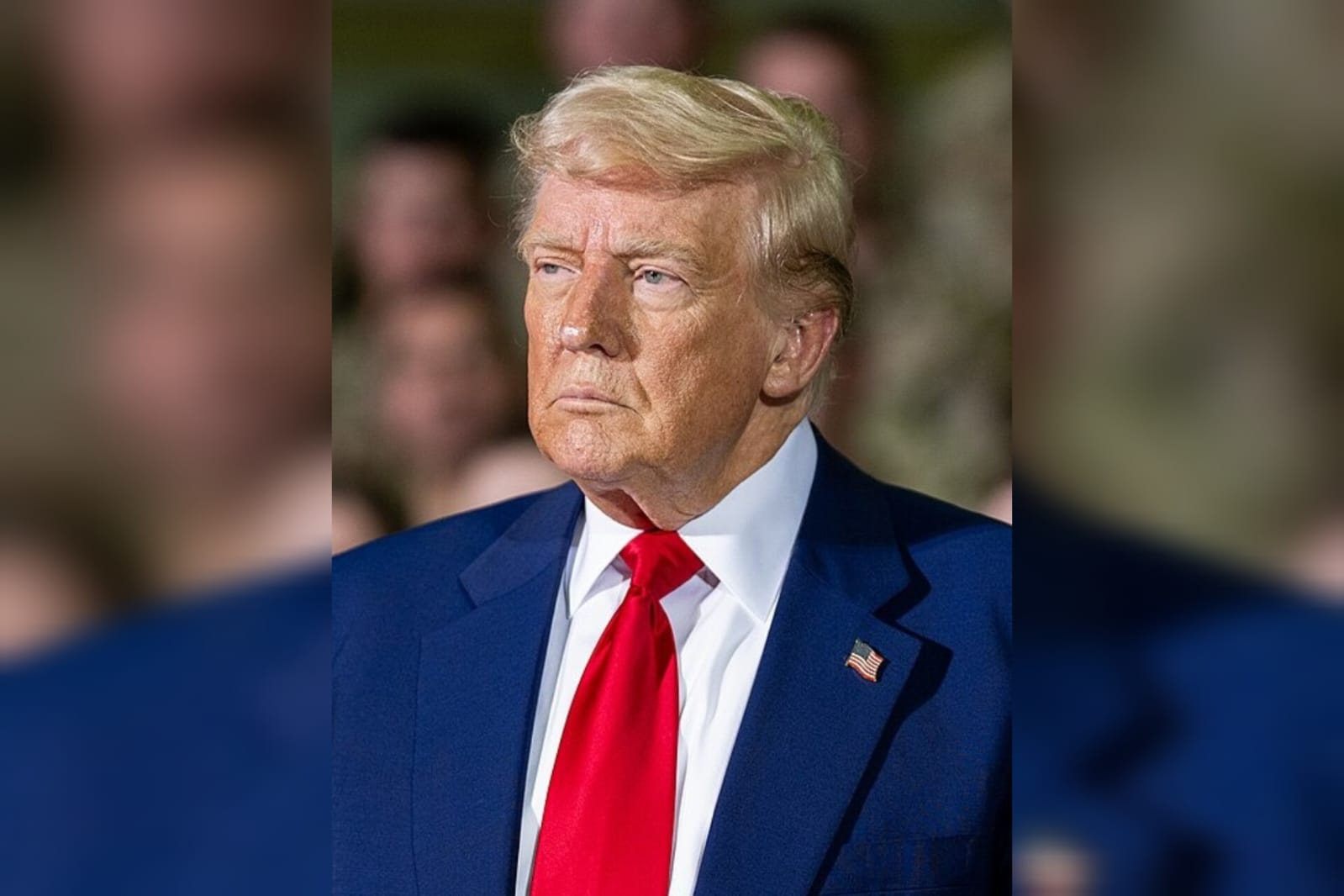
In a significant diplomatic development, U.S. President Donald Trump has inked a 14-point accord with Iran, which is being hailed as a crucial step in averting a looming global economic crisis. This agreement has led to the reopening of the Strait of Hormuz, a vital corridor for the world’s oil supply. Iranian President Masoud Pezeshkian was also a signatory to the agreement, setting the stage for a 60-day negotiation period aimed at achieving a more comprehensive and enduring resolution.
The core of the agreement stipulates that Iran will reopen the Strait of Hormuz and engage in discussions regarding its nuclear ambitions. In exchange, the United States has committed to easing certain sanctions, allowing Iranian oil to flow into international markets once more, unfreezing billions in Iranian assets, and supporting broader economic initiatives that could contribute to the revitalization of Iran’s economy. Additionally, the deal outlines plans for Iran to reduce its stockpile of highly enriched uranium, subject to international oversight.
Trump has defended this diplomatic initiative, asserting that it was essential to prevent a more extensive conflict that could have severely disrupted the global economy. He emphasized that by reopening the Strait of Hormuz, energy markets would experience increased stability, and the risks associated with international shipping would diminish. He also made it clear that while some Gulf nations might invest in Iran’s recovery, the United States would refrain from providing financial aid.
The announcement has elicited mixed reactions. Advocates of the deal argue that it alleviates regional tensions, bolsters global energy security, and paves the way for long-term negotiations concerning Iran’s nuclear program. On the other hand, detractors contend that the agreement provides Iran with substantial economic relief without obtaining firm commitments to curb its ballistic missile program or its influence in the region, which could potentially grant Tehran significant financial and strategic benefits.
As part of the agreement, Iran has vowed not to pursue nuclear weapons and to demonstrate restraint through its regional allies. Additional talks are anticipated to address unresolved issues, including missile development and broader security concerns in the Middle East. Both nations have characterized the accord as a milestone achievement; however, the ultimate success of this diplomatic effort will be contingent on the outcomes of the forthcoming negotiations.