
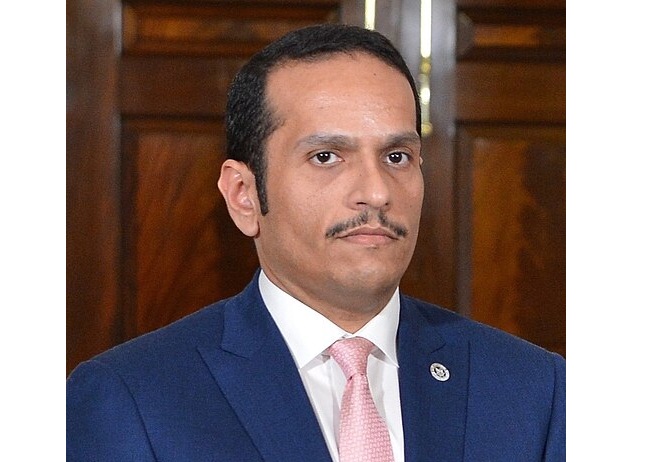
Prime Minister and Foreign Minister of Qatar, Mohammed bin Abdulrahman Al Thani, has reiterated the country’s commitment to diplomacy and dialogue as pivotal approaches for fostering peace and stability in the region. Addressing attendees at the Lucerne Lake Summit, he underscored the broad implications that recent regional conflicts have had on the global economy, international trade, energy markets, and millions of lives worldwide.
Al Thani highlighted the temporary closure of the Strait of Hormuz as a stark example of how regional tensions can significantly disrupt global energy supplies and trade routes. He emphasized the collective international responsibility to ensure the security of this crucial maritime corridor. Describing recent times as particularly challenging due to uncertainty and escalating tensions, the prime minister maintained that Qatar has consistently advocated for diplomatic engagement, viewing dialogue as the sustainable path to achieving security.
The prime minister expressed optimism about the recent memorandum of understanding reached between the United States and Iran, seeing it as a potential catalyst for development, cooperation, and prosperity in the region. He indicated that the agreement presents an opportunity to foster trust and work towards a more stable future. However, he also warned that the signing of the memorandum marks just the beginning, with upcoming technical negotiations playing a vital role in ensuring that commitments translate into tangible outcomes.
Qatar’s role in the summit extended to mediation efforts alongside Pakistan, facilitating discussions between the United States and Iran aimed at achieving a comprehensive and lasting agreement on the issues outlined in the memorandum. The Qatari prime minister pledged that the nation would continue collaborating with international partners to fortify dialogue, uphold international law, promote trust, and support peaceful resolutions that enhance both regional and global security.